
The Hook
$2.50
Purchase this article to continue reading.
Description
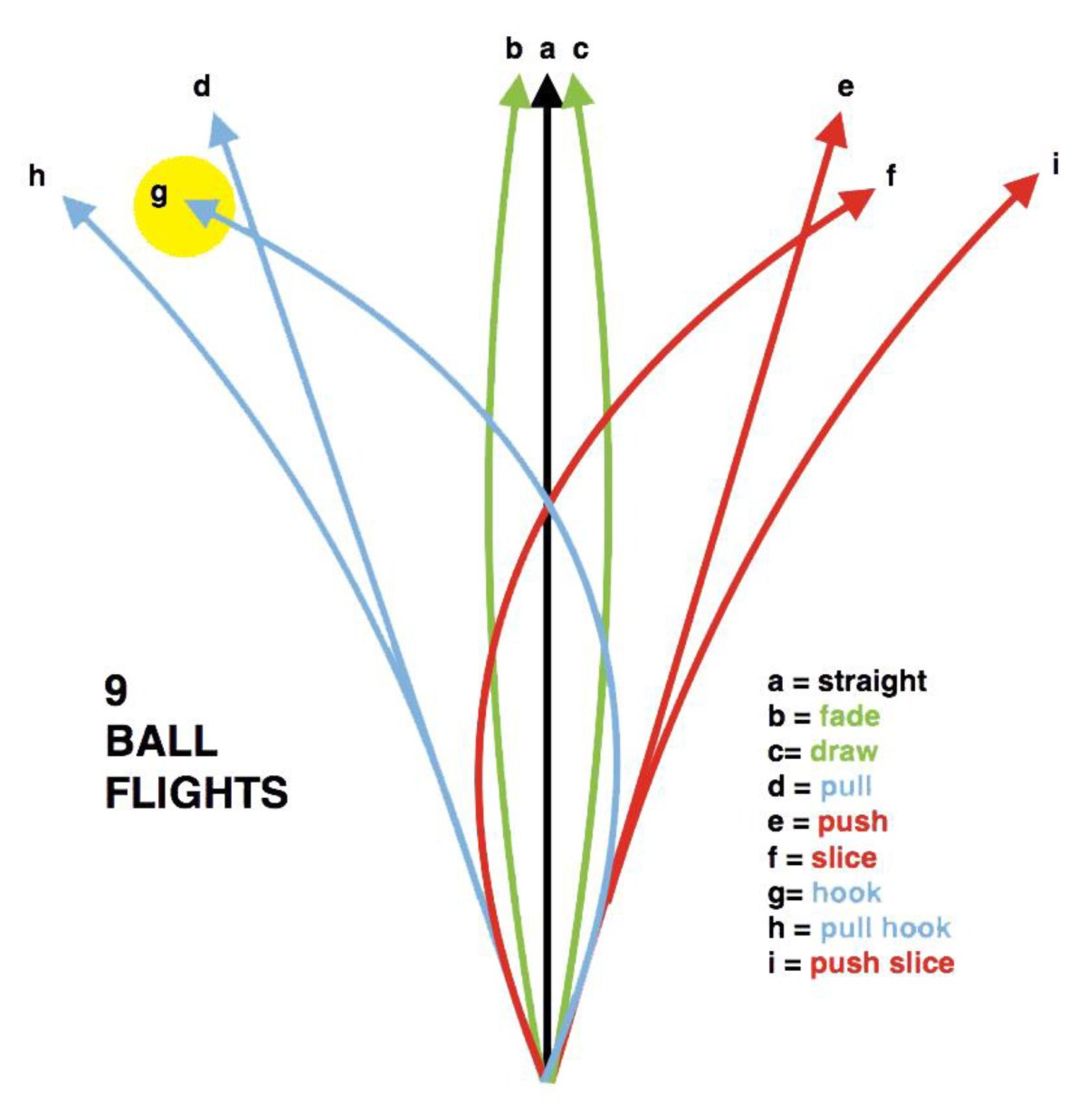
A hook is a common golf shot flaw where the ball curves sharply left of the target line (for right-handed players). Understanding its causes and how to correct them can save you strokes and frustration on the course.
Grip Issues: The Most Common Culprit
A hook often starts with a grip that’s too strong:
- The left hand is rotated too far on the club handle, showing all the knuckles.
- The right hand sits too far under the club.
This hand placement closes the clubface at impact, causing the ball to curve left.
How to Fix Your Grip
- Position your left hand so you can see two prominent knuckles.
- The back of your left hand should face about 25 to 30 degrees right of the target line.
- Place your right hand so its lifeline covers your left thumb snugly.
This adjustment often cures the hook if grip is the sole issue.
Other Possible Causes of a Hook
- Misalignment: If your trailing foot (right foot for right-handed golfers) is pulled back and closed off from the target line, or if your shoulders are closed, it can promote a hook.
- Down and Out Shoulder Position: Holding the club with the trailing hand in a way that drops the trailing shoulder down and outward often leads to hooking or pulling the ball left.
- Gear Effect: Striking the ball on the heel of the clubface causes the face to close more at impact, imparting side spin that hooks the ball.
- Closed Clubface at Address: Some golfers intentionally close the clubface at address to hit a hook around obstacles like trees, but this requires precise control.
Visual Aids to Help You Understand
- Grip Diagrams: Illustrate strong vs. neutral grip positions to visualize knuckle visibility and hand angles.
- Alignment Charts: Show proper foot and shoulder positioning relative to the target line.
- Shoulder Position Images: Demonstrate the down and out shoulder flaw versus correct posture.
Drills to Fix the Hook
- Grip Adjustment Drill: Practice holding the club in front of a mirror, ensuring your left hand shows two knuckles and your right hand’s lifeline covers the left thumb.
- Alignment Drill: Lay clubs or alignment sticks on the ground to check your feet and shoulder alignment before each shot.
- Shoulder Awareness Drill: Take slow practice swings focusing on keeping the trailing shoulder level and rotating naturally instead of dropping down or out.
- Impact Spot Drill: Use impact tape or foot spray on the clubface to identify if you’re hitting the heel and adjust your swing path accordingly.
How to Diagnose Your Hook
- Check Your Grip First: Is your left hand too rotated? Are you seeing too many knuckles?
- Look at Your Setup: Are your feet and shoulders aligned squarely to the target?
- Analyze Impact Location: Are you striking the heel of the clubface?
- Observe Your Shoulders: Does the trailing shoulder drop down and out during your swing?
Preventing the Hook
- Smooth Swing Tempo: Avoid swinging too aggressively, which can increase over-rotation.
- Controlled Release: Focus on a gradual, controlled release of the clubhead through impact.
- Consistent Practice: Regularly practice grip and alignment drills to build muscle memory.
Hook vs. Fade: Knowing the Difference
A fade curves gently from left to right (for right-handed players), while a hook curves sharply from right to left. Unlike a hook, a fade is generally easier to control and more forgiving. Understanding your shot shape helps in making the right adjustments.
Summary
A hook usually stems from a grip that’s too strong but can also be caused by alignment issues, shoulder position, gear effect, or intentional clubface setup. Adjusting your grip to neutral, checking your stance and shoulders, and practicing targeted drills can help you correct this common problem.
Copyright Glen Bowen, © 2025



Reviews
There are no reviews yet.